
Viral Marketing Starts and Ends With Planning: An Interview With a Growth Expert
 임재복
임재복
Viral marketing is word-of-mouth marketing that consumers spread and pass along online themselves. It starts with a keyword that catches a consumer’s attention, and the consumer journey itself becomes a piece of content.
It’s a marketing strategy that’s already widely used across the industry, but consumer reactions to it aren’t always great — plenty of people still see viral marketing as “deceiving the consumer.”
That said, viral marketing can clearly reach a wide audience at a relatively low cost compared to traditional advertising. Word of mouth can also make a brand feel more trustworthy to consumers.
Especially now that social media and online platforms have become part of everyday life, viral marketing is essential for reaching younger consumers effectively.
In this piece, you’ll hear directly from Jaemoo Lim, a GP at Growth who specializes in viral marketing and experience-group (sampling) marketing. We’ve pulled together insights that should be useful for anyone interested in how brands interact with customers and build brand loyalty.
Jaemoo Lim, GP and viral marketing expert at Growth
Could you tell us more about your role at Growth?
I actually started doing viral marketing when I joined Growth. It’s already been 7 years.
Even before I got into this line of work, I had a vague sense that this kind of marketing existed. But once I actually started doing the work, I found it fascinating that we could design a prospective customer’s buying journey — and then make it happen exactly as we’d designed it.
The scope of viral marketing is honestly so broad that it’s hard to say precisely what falls under it. At Growth, we run viral marketing across every medium and every space you could probably imagine as a reader of this article.

Most agencies that call themselves viral marketing specialists tend to only have expertise in one specific medium.
For example, some specialize exclusively in ranking blog posts at the top of a particular portal’s search results, while others specialize purely in experience-group campaigns. They’re closer to technicians in a narrow discipline than to a true agency.
Take a client whose need is simple: when someone searches the keyword “cleansing foam,” they want a post reviewing their product to rank at the top of that portal’s search results. An execution shop knows exactly what conditions get a blog to rank at the top for “cleansing foam” — how long the blog has existed, how many posts it has, its grade and category — and exactly what conditions a post needs — keyword frequency, how many photos or videos it uses, word count, whether it resembles existing content. They have the skill to execute all of that precisely.
But the limitation of that kind of agency is clear: they’re extremely good at this one thing — and only this one thing. They’re great at studying the trees, but they can’t really see the forest.
Growth, on the other hand, added “planning” to viral marketing.
In practice, viral marketing run in isolation, without performance marketing running alongside it, has no way to estimate its actual results and struggles to deliver strong performance. And if a client hires separate agencies for each — one for performance, one for execution — the client itself ends up having to act as the control tower.
Growth, though, can “plan” the entire marketing media-mix strategy. Because we start our work by building the overall media-mix strategy, we’re able to act as that control tower ourselves.
Viral marketing covers a lot of ground — top-ranking placement, supporter-program (ambassador) operations, community marketing, and more. Growth can “plan” the entire viral marketing process from end to end.
In other words, this isn’t a matter of simply taking a request from a client and executing viral marketing tasks on their behalf. Through these activities, we aim to plan a compelling brand story that makes a prospective customer feel a genuine affinity for the brand — marketing designed to make customers want to spread the word themselves, i.e., to go viral on their own.
So would it be fair to say that Growth’s success in viral marketing comes down to “planning”?
That’s exactly right. How you plan is the single most important thing in viral marketing. The ultimate goal of viral marketing is content that makes customers want to share it voluntarily.
You can actually see this effect through a viral marketing case Growth worked on. There was a shop that made “handmade burgers” — pretty uncommon at the time — a huge trend in Itaewon.
This was a burger shop that succeeded in viral marketing back when “handmade burgers” were still an unfamiliar concept. From the very beginning, its “shake” — a drink menu item — was actually the shop’s main draw.
You might think you’ve seen something like this on Instagram before, but this shake put whole slices of avocado in instead of blending it, dropped in whole candies and cookies — the whole thing was built around visual impact, far more than a typical café drink.

This shake actually had two problems.
The first was a price that felt hard to justify — but surprisingly, that wasn’t a problem at all. People saw how strikingly beautiful this shake looked, and they wanted more than anything to photograph it and be the first among their friends to post it on Instagram.
The second problem was that even a skilled staff member needed more than 20 minutes to prepare it. That hurt table turnover, and early on, some customers even got annoyed asking where on earth their shake was.
But that situation actually worked in the shop’s favor. As table turnover slowed, a line naturally started forming outside the shop. People walking by noticed that line, started paying attention to the shop, and it created another virtuous cycle.
This case really captures the essence of viral marketing.
Instagram users, more than anyone, are genuinely motivated to show off. We designed a product targeted at exactly that instinct — “something worth showing off,” “something people want to spread the word about themselves.” That’s the core of word-of-mouth marketing: because it comes from a consumer’s genuine experience rather than a company’s one-sided ad, it’s trusted more and spreads on its own.
We’re now living in an era where every consumer is a content creator. Going forward, I think being a “good product” will still matter, but products with a story — products people want to show off — are what will actually succeed.
The present and future of viral marketing strategy
It seems like “word of mouth” as a marketing technique has already been used frequently in the past. What’s your take on that?
The term “viral marketing” was never inherently negative — it’s really just a modern extension of “word-of-mouth.” Think of the neighborhood elders who spread the word without anyone even asking, saying things like “that pork-and-rice-soup place to the left of the market entrance really cooks it well.” Nielsen’s Global Trust in Advertising study actually found that 83% of respondents worldwide trust “a recommendation from someone they know” more than anything else, and 66% said they trust consumer opinions posted online. Word of mouth is still the single most powerful form of persuasion.
Sony first released the “Walkman” (TPS-L2), a portable cassette tape player, back in 1979. This device — with no external speaker, just a headphone jack — was the first to popularize the very concept of “listening to music while walking around.” At launch, the idea of earphones themselves wasn’t even familiar to people.
Audio devices have a unit that actually transmits the sound, and no matter how much the technology advances, shrinking that unit down inevitably degrades audio quality. So most people at the time thought, “how could you possibly listen to music with this thing?”
But the Walkman actually became a massive hit. And when you look at how Sony marketed it, you’re looking at the essence of viral marketing.

They hired a single model, and had her simply walk around holding a Sony Walkman with earphones in. No filming, nothing else — that was it. But because nobody like this had ever existed before, everyone — from the general public to the press — paid attention to her.
Through that viral marketing move, Sony essentially introduced, for the first time, the very concept that using earphones lets you listen to music while walking around. Blending naturally into consumers’ lives — that’s where viral marketing started, and it’s still the traditional playbook.
But the digital era must call for a new strategy. Right now, what are the latest trends and strategies in viral marketing?
Now that TV has lost its power and social media has taken over, I think viral marketing trends have become far more diverse and segmented. That’s really a direct result of how completely consumer tendencies have shifted.
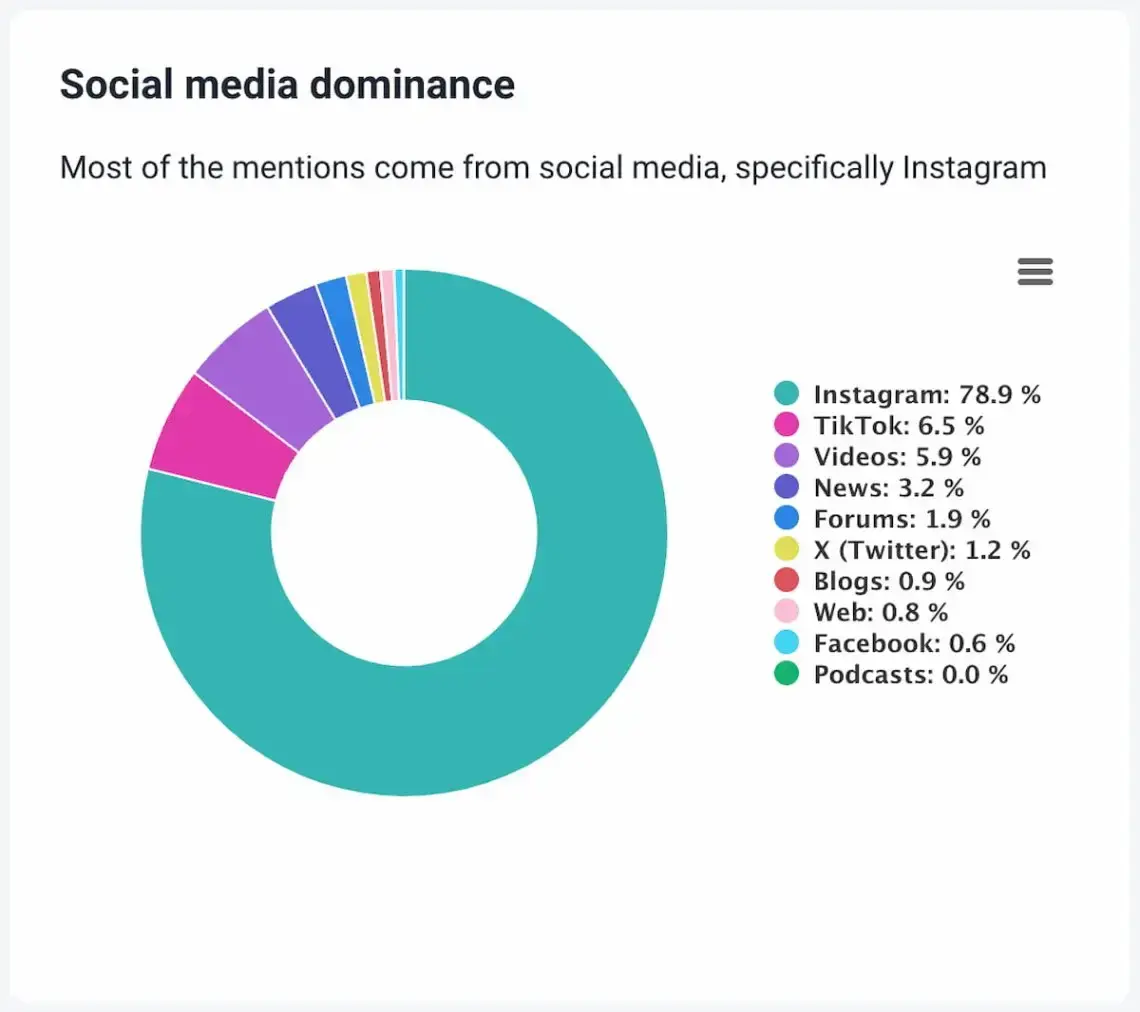
Consumers only follow information about what they want and what they like. As social media has spread, consumers have built increasingly firm personal worlds of taste, and their exposure to anything they’re not interested in keeps shrinking.
That’s made building a customer buying journey far more complex than it used to be, and I think that trend will only accelerate going forward. So when defining a brand’s core target, we need far more precise marketing planning that maps to the customer’s buying journey.
Let’s say a car manufacturer builds a compact sedan and defines the target as men in their early 30s.
- First, you’d target customers weighing whether a subcompact, compact, or midsize model is the right fit.
- Men in their early 30s shopping for a compact sedan will also research which brands offer which models. They’ll weigh buying an imported car versus a domestic one — and in that process, you can target customers actively comparing the pros and cons of imported versus domestic cars.
- There’s also the question of powertrain type — customers weighing whether electric, hybrid, gasoline, or diesel best fits their situation are another target group.
- And it’s important to target customers weighing design, options, and features too.
As you can see, the unique selling point (USP) a brand needs to speak to changes depending on where the target customer is in their buying journey. It’s no longer enough to stop at demographic targeting — gender, age bracket, and so on. Precisely splitting your audience into segments has become essential.
To sum up: of course social media matters in modern viral marketing — that goes without saying. But before that, you need to focus on the fact that your target customer differs by stage of the buying journey, and on what story they actually want to hear at each stage.
What should you watch out for in viral marketing?
People say viral marketing is an area where it’s hard to measure results. What’s your take?
You’re right — unlike performance marketing, viral marketing doesn’t have metrics you can pin down with precise numbers.
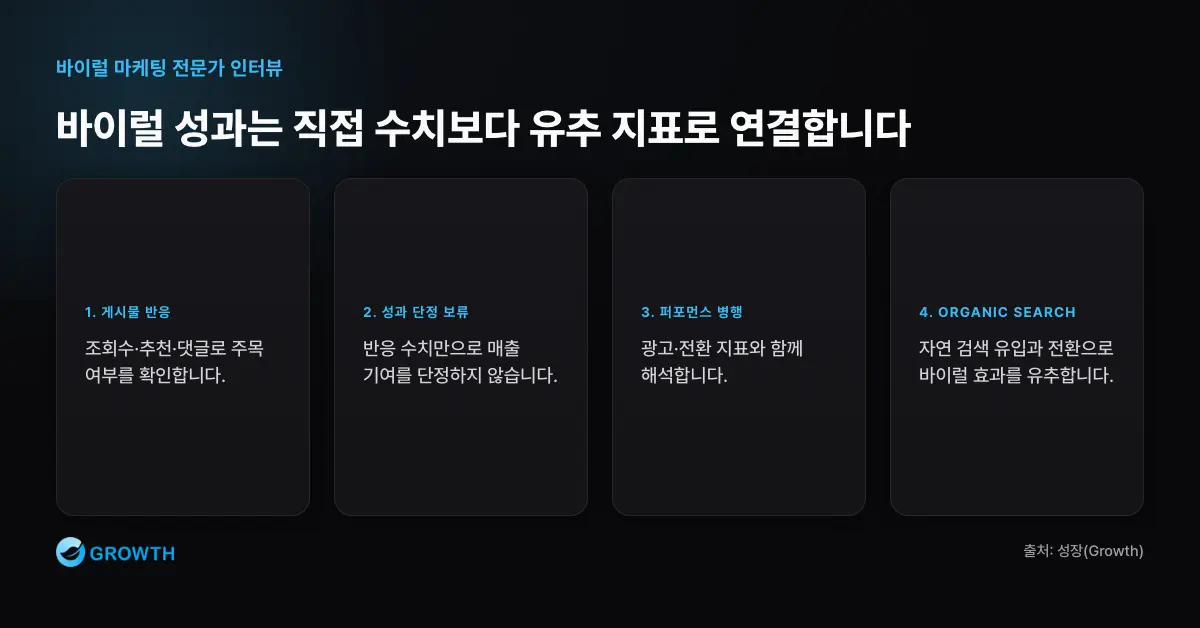
For example, when you publish a post introducing a product, you can get a rough sense of whether it caught attention from the number of views, likes, and comments — but that alone can’t be used to measure actual results.
That said, Growth always runs viral marketing alongside performance marketing. When we do that, it becomes possible to infer the results of viral marketing by looking at the traffic and conversions generated through organic search within our performance marketing metrics.
Viral marketing campaigns are also seen as carrying potential risk for a company. What do you think businesses need to watch out for?
Plenty of companies name viral marketing as an important technique. But consumers are more sensitive than ever to marketing that feels artificially manufactured as “viral.”
The YouTube undisclosed-sponsorship controversy was one example, and so was the incident with a certain fried chicken brand’s product. Viral marketing that doesn’t put the customer first can do serious damage to a brand’s image, so I think it’s something to absolutely avoid.
Whatever kind of marketing you’re doing, I get asked constantly, “what do we need to do to do this well?” But especially with viral marketing, the emphasis needs to be less on “what to do” and more on “how to do it.”
At Growth, we work by running small-scale experiments across every marketing area, accumulating results, and continually refining our answer to that “how.” Because it’s marketing built from the customer’s perspective, it really can’t help but succeed.
The essence of viral marketing: experience-group (sampling) marketing
I understand you often recommend experience-group and review marketing for viral campaigns. Which marketing goals is this strategy effective for?
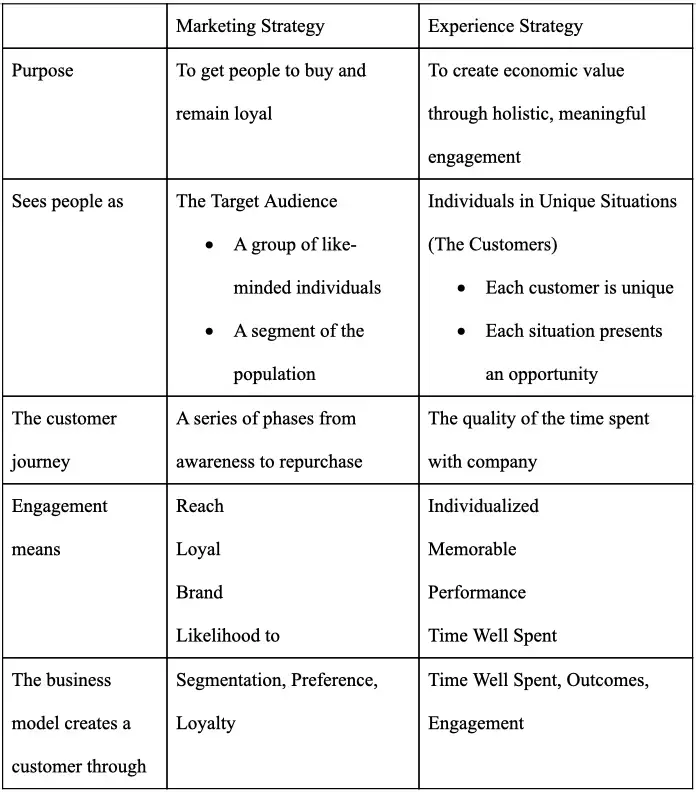
The accumulated results have already made the case — we’re well past the point of debating the pros and cons of experience-group marketing. The real question now is what goes wrong when a product or service launch fails to secure early reviews through an experience-group campaign.
Today, the vast majority of consumers check reviews before buying, and they hesitate to purchase when reviews are negative or too thin. In fact, BrightLocal’s consumer review survey found that 77% of consumers who saw a negative review said they’d be less likely to use that business, and 47% said they simply wouldn’t use a business with fewer than 20 reviews. A product without enough reviews gets eliminated from consideration that much earlier.
So the real point of experience-group marketing is not disrupting the customer’s buying journey. Since we’re now in an era where every consumer verifies products and services through reviews, it’s about naturally providing the information that connects directly to a customer’s purchase decision.
What matters most to Growth when planning and running an experience-group campaign?
We start at the planning stage by working out exactly what kind of influencer profile fits the client’s goals. Depending on the situation, the common assumption that ranking high in search matters most is often actually wrong.
Depending on the influencer, it’s possible to completely reframe how people perceive a brand or product — and above all, what matters most is producing genuinely good content.
At the operations stage, we have to decide how much creative freedom to give influencers. If you hand them talking points about your brand or product’s selling points and insist they include all of it, you’re very likely to end up with a flood of half-hearted, cookie-cutter reviews.
I’m sure anyone reading this has had the experience of watching content looking for information and thinking, “oh, this is just an ad.” We’re not doing marketing to create that kind of content.
So to avoid ending up with lazy content that just rattles off a list of selling points, it’s better to thoroughly vet influencers up front, then let them freely review the product based on their own genuine impressions, rather than demanding they mention specific things.
What sets Growth’s experience-group marketing apart from simply finding people to write reviews?

Growth’s experience-group marketing manages everything A to Z — from outreach and recruitment promotion to handling inquiries and every part of day-to-day operations. One advantage in particular is that clients can track progress through real-time reporting without needing constant back-and-forth communication.
Growth’s experience-group marketing isn’t a matter of simply outsourcing tasks like recruitment or outreach that a client requests. The core of what we do is planning and proposing the brand’s entire media-mix strategy, and experience-group marketing is one piece of viral marketing within that broader strategy.
What sets us apart in quality from agencies that only handle experience-group campaigns in isolation is that we build the big picture first, and design the marketing running across each individual medium to work organically together, toward one unified buying journey, in service of a larger goal. That’s the marketing Growth is built around.
Why running an ambassador/supporter program matters from a viral marketing perspective
I understand Growth also currently handles ambassador/supporter program management. As a viral marketing expert, what should companies watch out for when running one?
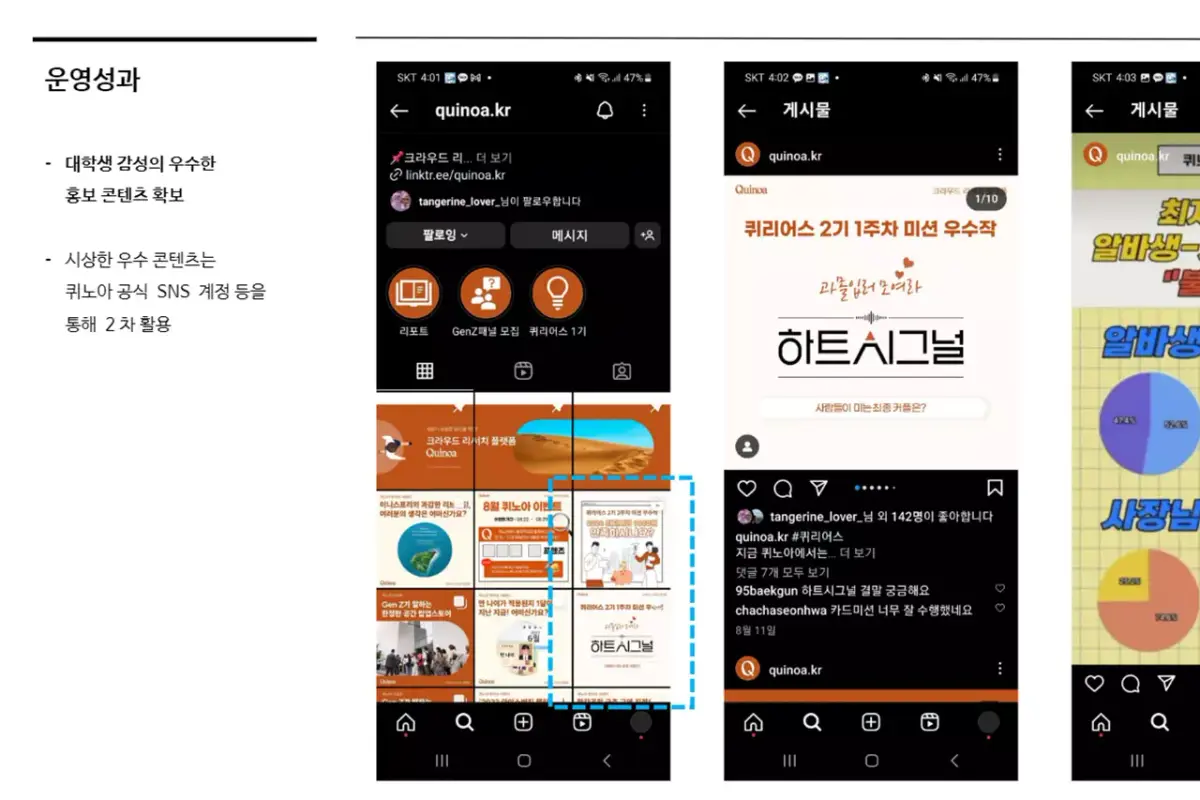
The first and biggest thing to watch out for is a large gap between what the company or organization running the program expects and what the participating students actually want.
What a company asks of its ambassadors varies enormously depending on the situation. But what ambassadors themselves ask for tends to be very simple.
For example, university-student ambassadors typically want a credible extracurricular line item and an award or certificate for their resume, while general-consumer ambassadors want a reward proportional to — or bigger than — the effort they put in.
The most common problem is assigning missions that exceed what students can realistically deliver, or missions where it’s genuinely hard to grasp what the operating company even wants. Designing missions that account for the participants’ level and needs leads to better output and higher participation.
What sets Growth apart in successfully running an ambassador/supporter program?
Generally speaking, there are two big problems when running an ambassador program.
First, even though it’s genuinely an important activity, decisions about it get made “up top” in a surprisingly ad hoc way — often just out of inertia, “because that’s how we’ve always done it” — and that’s how the program’s direction ends up getting set.
We need to think carefully about what we actually want to get out of the program, what missions we’ll ask ambassadors to complete to get there, and what ambassadors will ask of us in return.
Second, the person responsible on the client side usually doesn’t have much hands-on experience or know-how. Even if a company has run an ambassador program several times before, the employee who actually has that experience has often been promoted and moved to a different role, and the program gets handed down to the newest junior employee — who ends up having to run it despite knowing nothing about it. (laughs)

Ambassador programs involve more one-on-one communication workload than almost anything else, and a huge variety of issues come up along the way — plenty of them genuinely hard to handle. Even running a second or third program for the same company, the details shift every single time, which makes it hard to even turn the process into a standard playbook.
For this kind of work, the most important thing is know-how built up through repeated hands-on experience.
At Growth, we bring that to ambassador programs — thorough planning and operations grounded in a wide range of reference cases, clear communication rules, real-time reporting, and monthly reports — giving us the experience and know-how to keep any issue that does come up from ever turning into an actual “problem.”
Clients we’ve run ambassador programs for have often told us, “working with Growth was just so easy.” I don’t think there’s ever been a single ambassador program that ran with zero issues along the way. But I do want to stress: none of those issues ever became an actual problem.
If you’d like to apply this to your own business — you can see Growth’s approach on our content marketing services page, and if you need a specific diagnosis for your situation, reach out via consultation inquiry. We’ll answer based on the one customer who becomes revenue, not just traffic volume.
Frequently asked questions
What matters most in viral marketing?
Planning. Viral marketing is less about what you do than “how” you do it. The core of it is designing content and experiences that make customers want to share them voluntarily — and Growth doesn’t stop at execution skills for a single medium, but plans the entire media-mix strategy so every channel works together organically as one unified buying journey.
Can you actually measure the results of viral marketing?
Viral marketing is hard to measure directly with clean numeric metrics the way performance marketing is. You can gauge attention through a post’s views, comments, and likes, but that alone isn’t a measure of results. That said, when it runs alongside performance marketing, you can indirectly measure viral marketing’s impact by tracing the traffic and conversions it generates through organic search.
Why is experience-group / review marketing necessary?
Today’s consumers verify products and services through reviews before buying. They clearly hesitate to purchase when reviews are negative or too sparse — so failing to secure trustworthy reviews early in a launch can break the customer’s buying journey entirely. Experience-group marketing exists to naturally supply the information that feeds directly into that purchase decision, without disrupting the customer’s journey.
What should you watch for when handing a review over to an influencer?
Forcing an influencer to list out every selling point tends to produce reviews that feel lazy and read like a generic ad. It works far better to thoroughly vet influencers who genuinely fit the brand and product, then give them the freedom to review it based on their own honest experience and impressions, rather than requiring specific phrases — that’s what actually leads to higher-quality content.