Growth’s Efforts to Create Good Content
 임재복
임재복
Today’s digital landscape is flooded with information, and attention spans keep shrinking. That’s exactly when a strong content asset can act as a lighthouse of value — drawing customers in, driving engagement, and positioning a brand as a leader in its industry.
At Growth, we understand exactly how much good content can move the needle.
That’s why we spare no effort producing high-quality content that resonates with readers and moves a brand forward.
Why Good Content Matters

Good content is more than words on a screen — it’s the cornerstone of an effective digital marketing strategy. Harnessing the power of good content brings a range of benefits.
- Higher brand awareness: Good content is a powerful tool for building brand awareness, consistently putting the brand in front of the target audience and establishing it as a trustworthy source of information.
- New customer acquisition: Compelling, informative, high-quality content acts as a magnet for prospects, drawing them to the website and converting them toward a product or service.
- Building brand fandom: It creates a foundation that goes beyond one-time purchases, helping customers understand the brand’s values and evolve from regulars into true fans.
- Building thought leadership: Consistently producing well-researched, high-quality content establishes a brand as an authority in its field, building trust and credibility with prospects.
Growth’s content marketing strategy is built around a core principle: good content assets are the key to success.
A strong content asset contributes enormously to raising brand awareness.
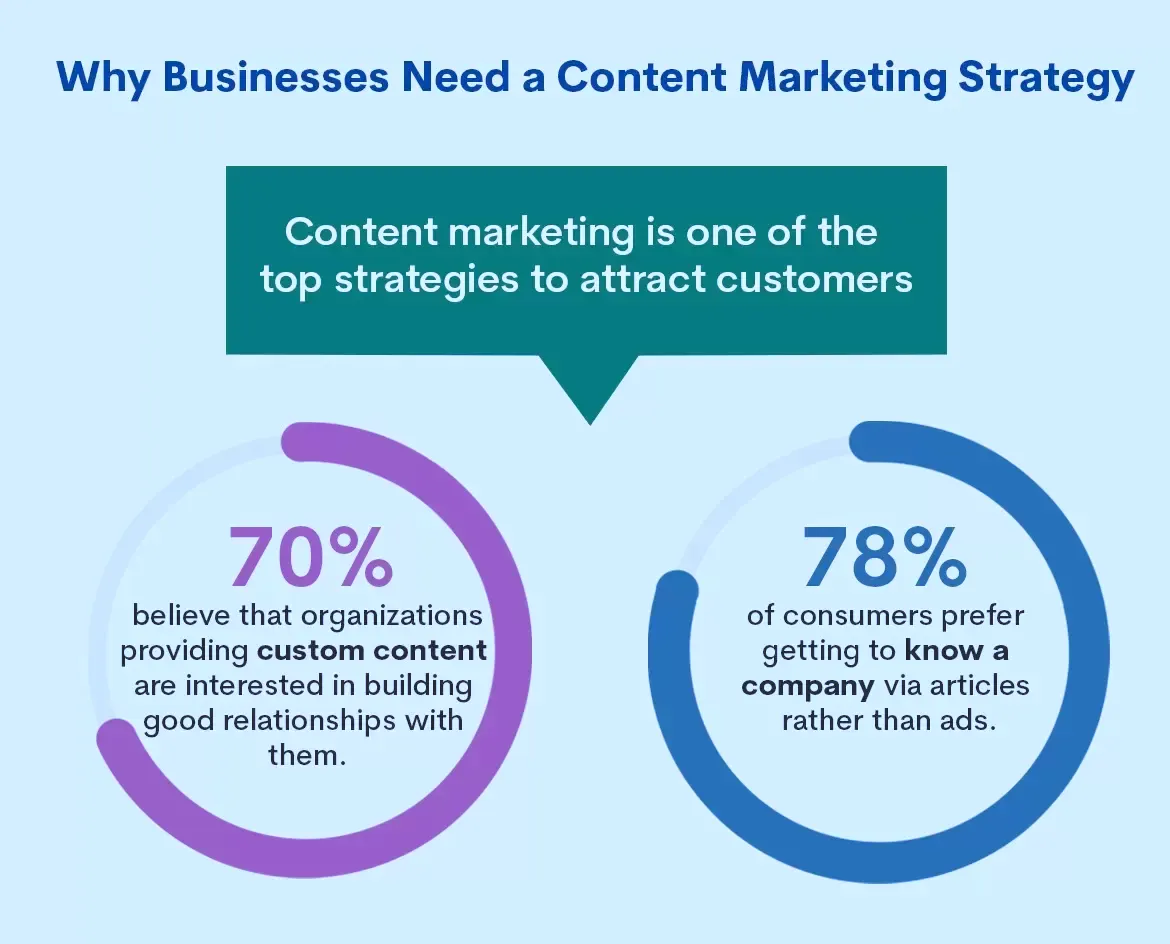
Consumers clearly prefer to get to know a brand through content rather than through ads. In fact, Nielsen’s Global Trust in Advertising survey found that 70% of global respondents trust online consumer reviews — the second most-trusted source of information. By offering rich, valuable content, we make sure our target audience gets to know our brand better and remembers it.
Good content is also essential for precise, targeted marketing.
Understanding what your target audience actually wants and delivering content that speaks to that lets you win over more customers.
It also plays a pivotal role in strengthening customer relationships.
Valuable information paired with compelling storytelling drives engagement with customers, which is critical for building trust and maintaining a sustainable relationship over time.
Growth believes good content will be a key differentiator in the competitive landscape.
Standout content makes a brand shine within its industry, giving it a distinct edge.
Growth’s Approach to Creating Good Content
At Growth, we use content to inform audiences and drive their engagement.
We’re also passionate about creating good content that aligns with core values and reflects a brand’s identity. That commitment shows through clearly in our multi-pronged approach.
Customer Interests
We start by using data analysis to identify popular topics, audience preferences, and search engine algorithms. This lets us optimize content for relevance, engagement, and search visibility from the start.
Good content assets solve customer problems. That requires understanding the target’s problems and their questions. Understanding exactly what problem a customer wants solved, their precise pain points, their preferred platforms, tastes, and traits lets us define a buyer persona.
That plays a critical role in choosing which topics to cover.
To get there, Growth starts by actually talking to the people at the center of the service. We draw out content ideas first, through active communication with the client.
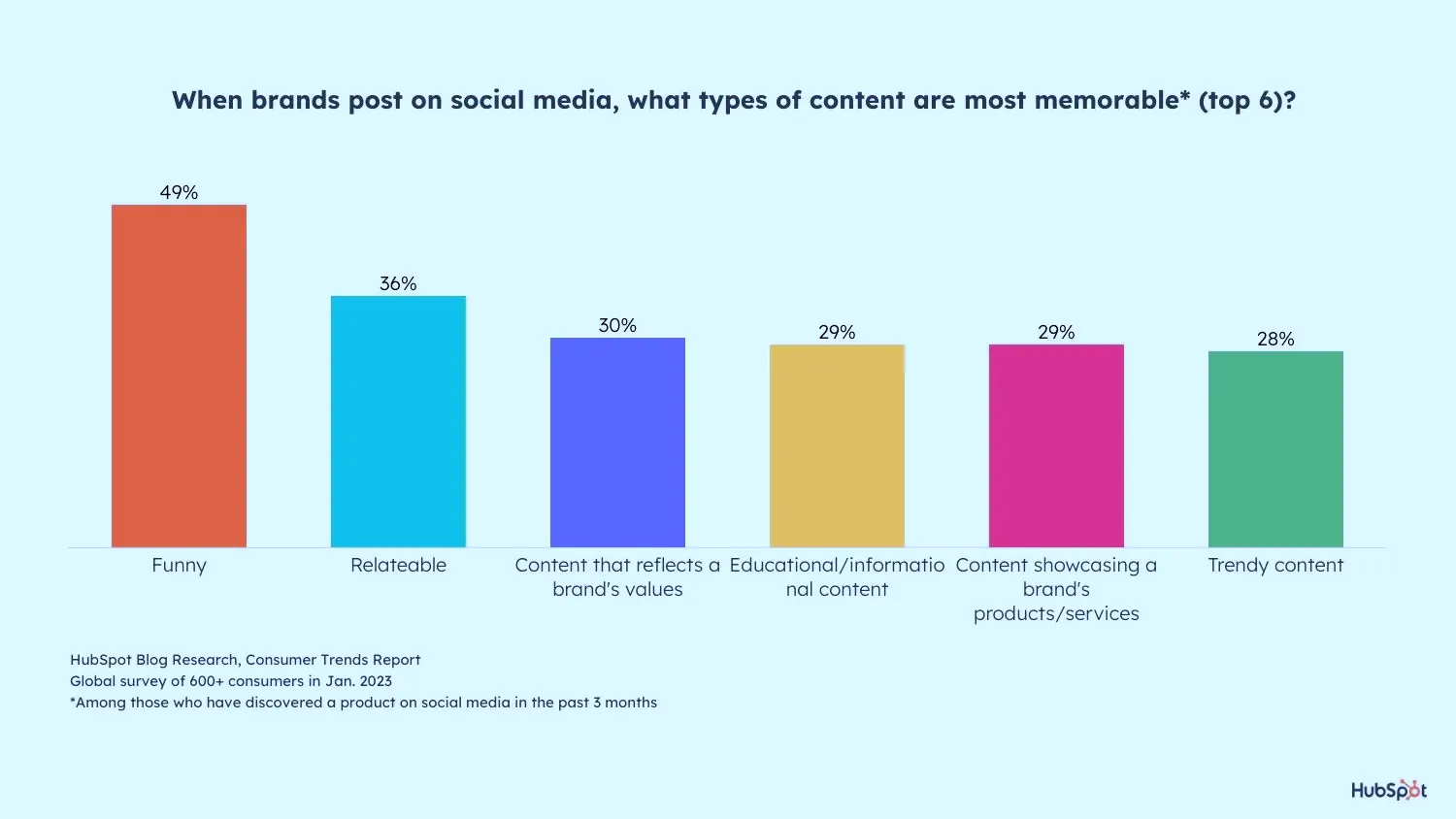
Next, we analyze the customer journey directly. This shows us what content customers actually find valuable. Asking the simplest possible questions, repeatedly, surfaces the richest detail.
Finally, we identify the topics that matter in the industry and analyze competitors.
Analyzing the search intent behind keywords competitors already own, in particular, helps us understand what customers actually want. Content that addresses that accurately naturally drives conversion.
Evergreen Content
Good content assets hold their value over time. The first step toward content that’s loved for the long haul is a deep understanding of the target audience — starting with an analysis of their behavior patterns, preferences, and cultural context.
As Growth’s own content marketing track record shows, starting with the topics your audience cares about most drives the highest engagement.
Original, creative content also stands out from the competition.
Growth runs owned media for companies. The era of grabbing search share by stuffing in meaningless keywords is over. We look for a brand’s distinct voice and explore ideas that break out of the usual mold.
Content quality is directly tied to user experience.
High-quality images, clear and concise writing, and rigorous fact-checking are non-negotiable basics. Google’s Search Central also emphasizes creating helpful, reliable, people-first content instead of content designed to manipulate rankings, pointing to original information, expertise, and trustworthiness (E-E-A-T) as core quality standards. A consistent tone and style strengthens brand credibility and builds a stronger connection with an audience.
Good content maximizes its value through visibility on search engines.
Growth invests just as much in Technical SEO — keyword research, meta tags, URL structure, internal linking strategy — as it does in on-page SEO.
Insights gained from the customer-interest work above feed directly into content, and turning that into SEO drives real conversions.
Finally, Growth continuously updates content to keep pace with market shifts and changing user needs.
That keeps content fresh and ensures it stays relevant over the long term. That said, Google explicitly discourages simply changing a date to make content look fresh without changing the substance — what matters is that updates add real value, which is what actually benefits SEO.
Growth believes creating good content demands a strategic approach and sustained effort. It’s only possible because of the know-how we’ve built up over time.
Continuous Scaling
In an ever-evolving digital landscape, data is the cornerstone of strategic decision-making.
In the vast online world, Paid Media and Earned Media both matter for winning customer attention. But feeding the data gained from them back into content matters even more.
Data-driven insight lets you understand your audience’s preferences, behavior, and needs. Creating content aligned with those insights lets you craft messages that resonate precisely.
Using the Right Tools
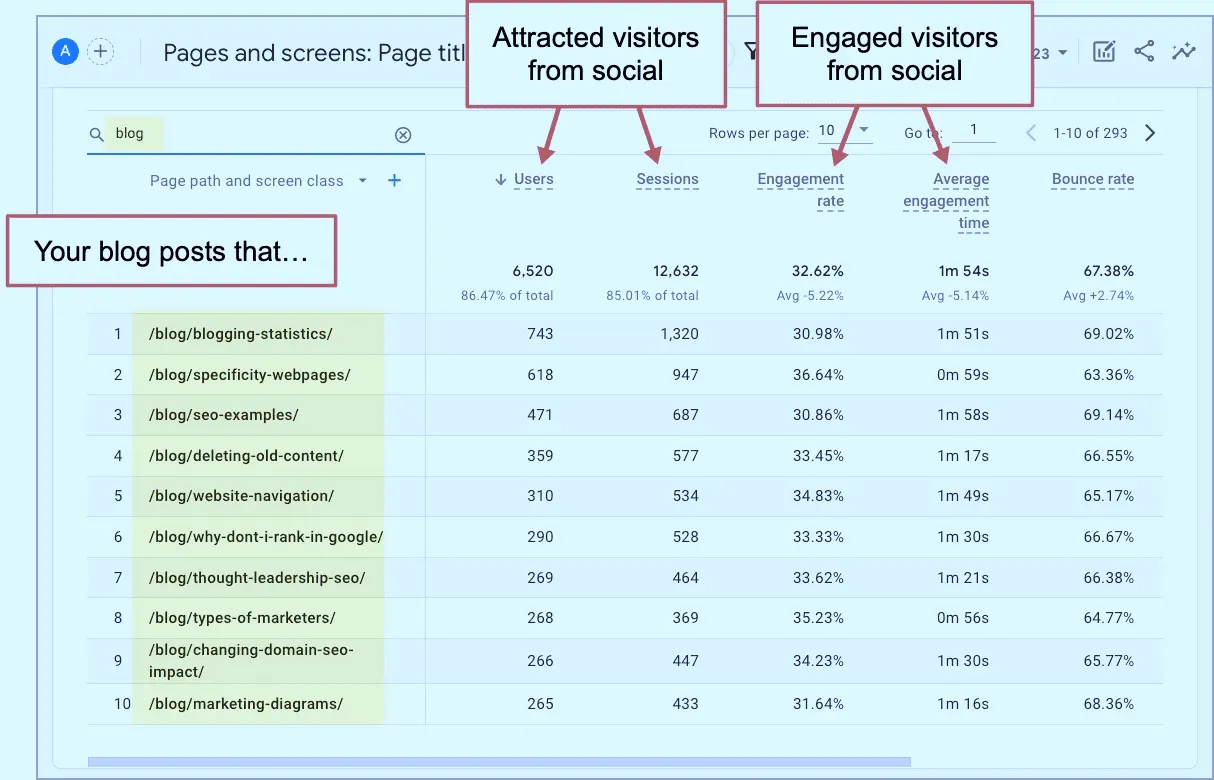
Growth relies heavily on Google Analytics 4 (GA4) to understand how users behave on a website. GA4 analysis reveals key demographics, interests, and behaviors of the target audience. This granular data lets us build content precisely tailored to audience preferences, delivering the message effectively.
We also go deeper on SEO using Ahrefs. Ahrefs insights help identify high-performing keywords and analyze competitor content. Feeding those insights back into content strategy optimizes for search engines more effectively, raising rankings and driving organic traffic.
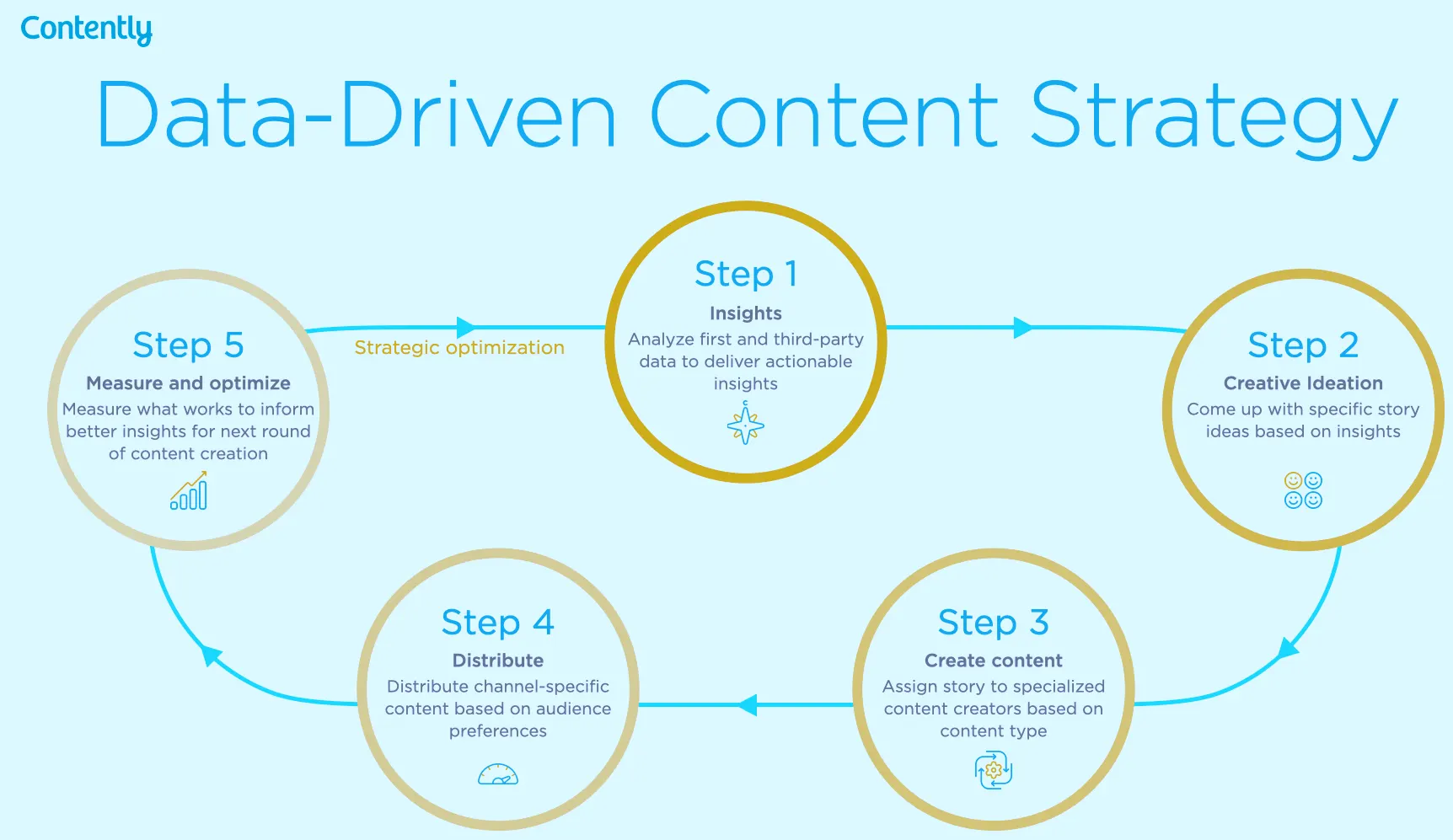
Using a range of statistics to tailor content is the first step toward building credibility.
Content aligned with what customers genuinely want builds audience trust, and makes the target far more likely to engage with the content and find it valuable.
- How do you build content based on data?
- Analyze first- and third-party data to extract actionable insights
- Generate creative ideas and plan concrete stories grounded in those insights
- Build content matched to the appropriate format
- Distribute content by channel based on user preferences
- Measure and optimize toward a more effective strategy for the next round of content
User-centered insight reveals how visitors actually interact with content. The various tools Growth uses tell us what type of content is performing well across the industry.
Actively using data and feeding it into the next piece of content lets us build owned media that fits genuine user preferences. It also lets us leverage proven industry trends to amplify a message’s overall impact.
Q. How often should data be analyzed to update content?
A. At Growth, we analyze data and evaluate content on at least a monthly basis, to keep up with shifting content trends and check alignment with user behavior.
Q. Which GA4 metrics matter most for improving content?
A. At Growth, we analyze bounce rate and user engagement to identify where content needs improvement. A high bounce rate, for example, is a strong signal that content isn’t matching user intent.
Connecting With Customers
Ultimately, Growth’s content marketing strategically distributes good content across a range of channels — websites, social media platforms, industry publications — to maximize reach and impact.
Creating standout content in a vast digital landscape is only the beginning. Reaching ultimate success requires understanding the art of strategic content distribution.
Growth starts by identifying the target audience and choosing the right platform for the content.
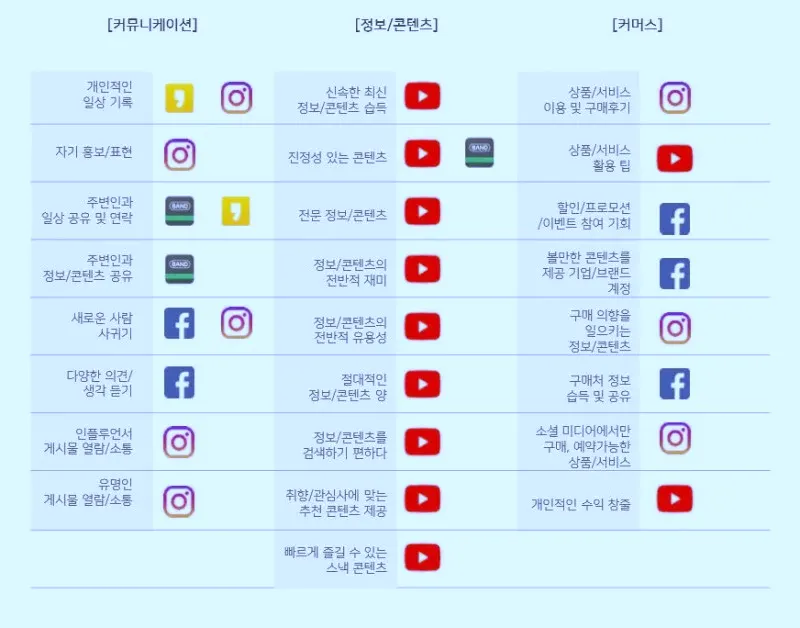
Social Media
Social media, in particular, is a powerful vehicle for content distribution.
Understand each platform’s nuances, tailor content accordingly, and schedule posts strategically. Using features like hashtags, sharing at peak times, and engaging with the audience all improve visibility, driving organic reach and engagement.
Facebook, with its broad user base, remains a strong social hub.
Strong visuals and captions help reach a wider audience. Using the platform’s ad options for targeted content promotion matters too.
Growth uses granular targeting to make sure good content actively reaches users.
We also monitor insights regularly to understand audience behavior and adjust strategy accordingly.
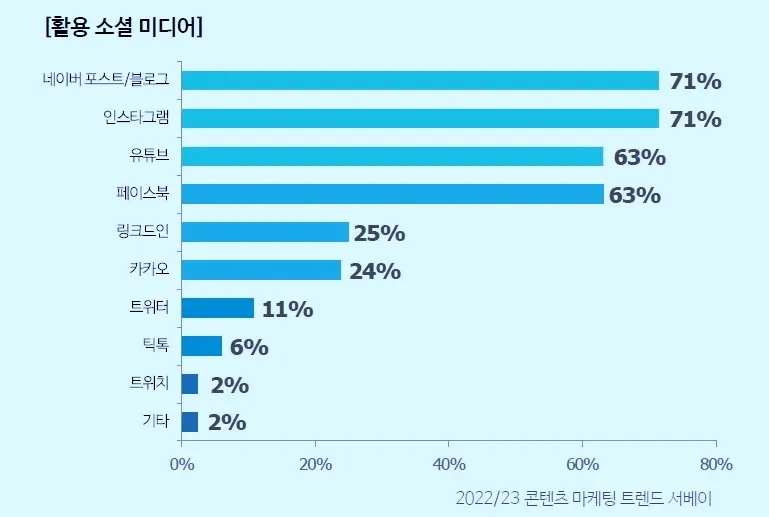
Instagram excels at visual storytelling.
Eye-catching images, Stories, IGTV, and more all build dynamic content. Strategic hashtag use also helps improve discoverability.
On Instagram, Growth focuses on a consistent feed and engaging with audience comments to raise content visibility.
LinkedIn, meanwhile, is a network where industry expertise really shines. Sharing insightful articles and thought-leadership content adds professional credibility in the market.
You can read more about social channel strategy in Growth’s channel mix strategy.
Q. How do I decide which social media platform fits my content best?
A. Understand your target audience and the platforms they prefer. For professionals, we recommend focusing on LinkedIn. For visual content, prioritize Instagram. For a broad audience, use Facebook.
Q. What type of content performs well on Facebook?
A. Compelling visuals, shareable content, and interactive posts all perform well on Facebook. Consider using Facebook Groups to reach niche audiences.
Email also remains a powerful channel for content distribution.
Build a subscriber list, segment prospects, and deliver targeted content directly to their inbox. Compelling visuals and personalized messaging capture attention and drive clicks, maximizing content’s impact.
Finally, Growth regularly evaluates the results of its content distribution efforts through monthly reporting.
We use analytics tools to measure reach, engagement, and conversion. We identify what’s working and what needs improvement, then iterate on strategy accordingly.
We’re committed to feeding that data-driven approach back into content, so every next piece is better than the last.
Growth’s Strategy for Good Content Assets

We take pride in our sophisticated approach to content creation.
At the heart of how Growth creates good content is a deep understanding of the target audience.
We invest significant time researching and analyzing our clients’ customers’ demographics, preferences, and behaviors. That knowledge acts as the compass guiding our content strategy.
We also believe the content we create is the cornerstone for extending brand value.
The moment a piece of content’s core principles and message align with what consumers actually want, we believe it strengthens brand identity and adds trust to the content.
Our effort toward good content doesn’t stop at “making it.”
Good content comes from continuous improvement. We regularly evaluate content performance by analyzing data, target feedback, and industry insight. We always carry through this iterative process to refine our strategy.
The content Growth creates is a process built on audience-centricity, engagement, and creativity.
And through continuous improvement, we make tomorrow’s content better than today’s. It’s this combination of diverse methodology and uncompromising principle that has made Growth’s content a genuinely valuable asset.
Related Reading
- Content Marketing: From Definition to Strategy
- Earned Media
- Evergreen Content
- Brand Content Marketing Guide
- ESG Content Marketing Case Studies and Practical Strategy
Want to apply this to your own business? Take a look at how Growth approaches it in our content marketing service, or if you need a diagnosis of your specific situation, reach out through our contact page. We answer in terms of the one lead who becomes revenue — not raw traffic volume.
Frequently Asked Questions
How does good content actually help a business?
Good content raises brand awareness, draws prospects to a website, and builds the foundation for turning regulars into true fans. As covered above, consumers tend to prefer getting to know a brand through content rather than ads, so consistently building high-quality content establishes a brand as an authority in its field and earns real trust.
How do you decide what topics to build content around?
Growth identifies topics by first using data analysis to understand audience preferences and search intent, then drawing out ideas through active communication with the client, and finally analyzing the search intent behind keywords that competitors already own. The key is understanding the target’s real pain points and wants, and starting from the topics they genuinely find valuable.
How do you measure and improve content performance?
Growth uses GA4 to analyze user behavior (bounce rate, engagement, and more) and Ahrefs to analyze keyword rankings and competitor content. As covered above, we analyze data at least monthly to check trend shifts and alignment with user intent, and we iterate by re-checking search-intent alignment for any content with a high bounce rate.
Which channels are best for distributing content?
It’s most effective to first identify where your target audience spends time, then distribute accordingly. As covered above, LinkedIn works well for professional audiences, Instagram for visual content, and Facebook for broad audiences, while email is a powerful channel for reaching segmented subscribers directly. Whichever channel you use, it’s essential to measure performance after distribution and feed it back into the next piece of content.